
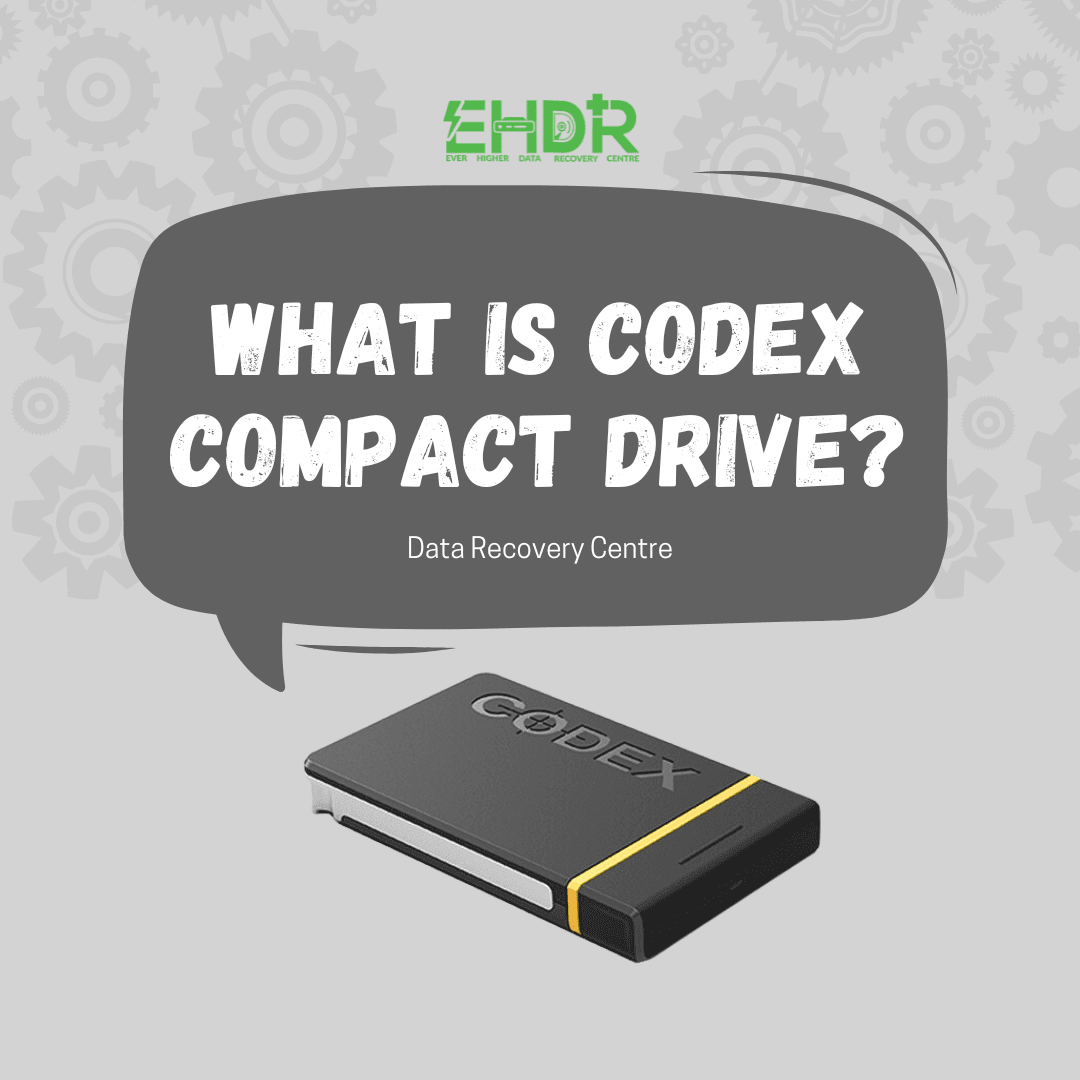
In the world of professional filmmaking, every frame matters. Whether it’s a feature film, commercial shoot, or high‑end TV production, the quality of the recorded footage depends heavily on the media used inside the camera. One of the most advanced and widely adopted storage solutions in modern cinema workflows is the Codex Compact Drive.
But what happens when this highly specialized media becomes faulty, or the video files get corrupted? The good news is that Codex Compact Drive Data Recovery is possible, and often highly successful when handled by specialists.
This article breaks down what Codex Compact Drives are, why they’re used, and what you can do if your footage becomes inaccessible.
What Is a Codex Compact Drive?
Codex Compact Drives are not your typical SD card or consumer‑grade SSD. They are high‑speed, high‑capacity solid‑state media designed specifically for professional cinema cameras. These drives are engineered to handle the extreme demands of modern filmmaking, including:
• RAW video recording
• 4K, 6K, 8K, and higher resolutions
• High frame rates
• Uncompressed or lightly compressed formats
• Large data throughput required by cinema‑grade sensors
• 4K, 6K, 8K, and higher resolutions
• High frame rates
• Uncompressed or lightly compressed formats
• Large data throughput required by cinema‑grade sensors
Because of their performance and reliability, Codex media is commonly used in productions involving:
• Feature films
• Commercials
• High‑end TV series
• Streaming platform originals
• Cinematic documentaries
• Feature films
• Commercials
• High‑end TV series
• Streaming platform originals
• Cinematic documentaries
In short, Codex Compact Drives are built for environments where image quality and data integrity are critical.
Why Codex Drives Fail
Despite their robust design, Codex Compact Drives can still encounter issues. Some of the most common causes include:
• Physical damage from drops or impact
• File system corruption
• Improper ejection or sudden power loss
• Firmware or controller failure
• Wear and tear from heavy production use
When a Codex drive fails, the footage stored on it may become unreadable, a stressful situation for any production team.
• Physical damage from drops or impact
• File system corruption
• Improper ejection or sudden power loss
• Firmware or controller failure
• Wear and tear from heavy production use
When a Codex drive fails, the footage stored on it may become unreadable, a stressful situation for any production team.
Can the Codex Compact Drive Data Recovery Restore My Footage?
Yes. In many cases, Codex Compact Drive Data Recovery is possible, especially when handled by trained specialists who understand the unique structure of Codex media.
Even if the drive appears dead, corrupted, or unmountable, recovery may still be achievable. Professional recovery labs use specialized tools and controlled environments to:
• Diagnose the underlying issue
• Extract RAW or high‑resolution video files
• Reconstruct corrupted footage when necessary
If you only need your video footage, recovery success rates are often significantly higher.
Even if the drive appears dead, corrupted, or unmountable, recovery may still be achievable. Professional recovery labs use specialized tools and controlled environments to:
• Diagnose the underlying issue
• Extract RAW or high‑resolution video files
• Reconstruct corrupted footage when necessary
If you only need your video footage, recovery success rates are often significantly higher.
Why Professional Recovery Matters
Codex media is not the same as consumer memory cards. Attempting DIY fixes or using generic recovery software can worsen the damage or overwrite critical data.
Professional recovery services offer:
• Safe handling
• Tools designed for cinema‑grade media
• Experience with RAW and high‑resolution workflows
• High success rates for video fragment recovery
Professional recovery services offer:
• Safe handling
• Tools designed for cinema‑grade media
• Experience with RAW and high‑resolution workflows
• High success rates for video fragment recovery
When your production depends on the footage, trusting specialists is the safest choice.
How to Protect Your Footage Moving Forward
While no media is fail‑proof, you can reduce the risk of data loss by:
• Using approved card readers and workflows
• Avoiding sudden power interruptions
• Backing up footage immediately after shooting
• Handling Codex drives with care
• Keeping drives away from moisture, heat, and impact
• Using approved card readers and workflows
• Avoiding sudden power interruptions
• Backing up footage immediately after shooting
• Handling Codex drives with care
• Keeping drives away from moisture, heat, and impact
Good media management practices go a long way in preventing data loss.
Conclusion
Codex Compact Drives are essential tools in modern filmmaking, offering unmatched performance for high‑resolution and RAW video capture. But like any storage device, they can fail, often at the worst possible moment.
The reassuring news is that Codex Compact Drive Data Recovery is not only possible but often highly successful when performed by professionals. If your Codex media becomes faulty or your footage gets corrupted, don’t panic. With the right expertise, your video files can often be restored.

